Deferred (and Unpaid) Salary: A Trap for Founders
Unpaid founder salary can create wage liability. A covered arrangement that violates Section 409A can also trigger a 20% additional tax and premium interest. Here’s what to check.


Startup law guidance on formation, fundraising, equity compensation, and exits.
Unpaid founder salary can create wage liability. A covered arrangement that violates Section 409A can also trigger a 20% additional tax and premium interest. Here’s what to check.
FinCEN's August 2026 final rule exempts U.S.-formed companies from federal BOI reporting. What remains for foreign entities, and what FinCEN says about deleting prior data.
ESSB 5814 expanded Washington sales tax to specified services. How to assess startup exposure, buyer and seller liability, and limited penalty relief.
In PLR 201636003 the IRS ruled that stock can be QSBS without formal stock certificates — ownership is a matter of economic substance. Here's what the ruling holds, and what it carefully didn't decide.
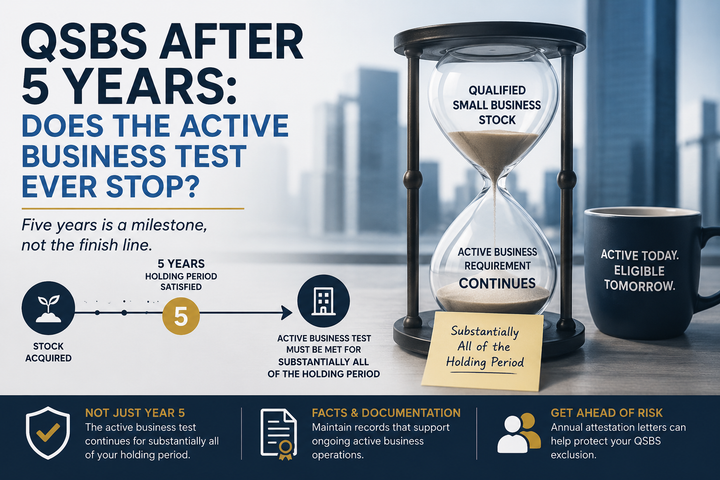
What Treasury’s reported QSBS stacking scrutiny establishes—and why trust ownership, existing rules and effective dates require separate review.
Compare option exercise costs, ISO AMT, NSO compensation, contractual deadlines, QSBS holding periods and Washington taxes before committing cash.
Convertible notes vs. SAFEs: how each works, key differences in terms and mechanics, and which instrument makes more sense for your early-stage startup funding.
How to negotiate startup equity as an employee: understanding your offer, asking the right questions, evaluating strike price and vesting, and avoiding common mistakes.